A Casamance farmer who organised women around seeds and soil
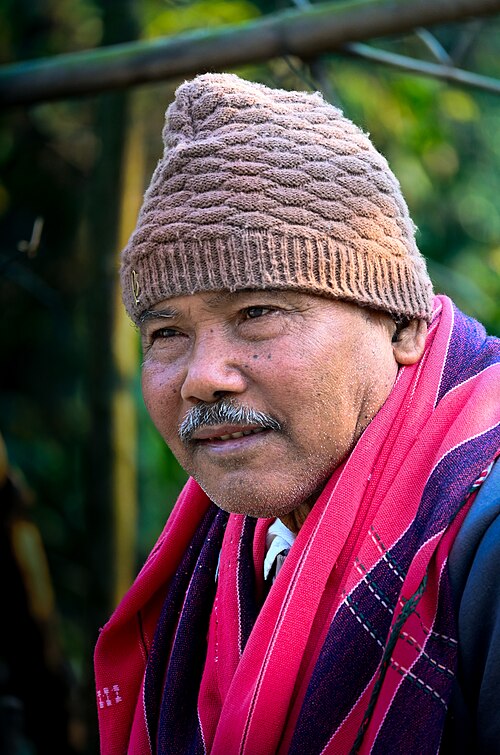
A woman farmer from Niaguis, Senegal, helped build a West African movement of rural women promoting agroecology, local seeds and women's access to land.
Real people, real places, and sources for every claim. Filter by country, problem or topic, or browse them all.
A woman farmer from Niaguis, Senegal, helped build a West African movement of rural women promoting agroecology, local seeds and women's access to land.
Kenyan engineer Nzambi Matee left her job, set up a lab in her mother's back yard and developed paving blocks made from waste plastic mixed with sand.
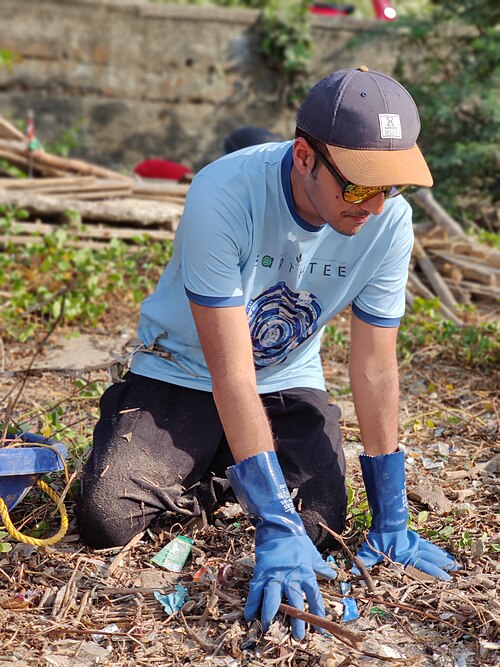
Mumbai lawyer Afroz Shah and an elderly neighbour began picking up rubbish on Versova Beach in 2015; weekly volunteer clean-ups grew into a long-running citizen movement.
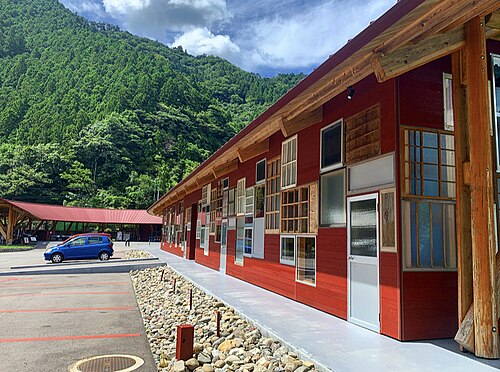
Kamikatsu, a small town in Tokushima, declared Japan's first zero-waste goal in 2003; residents wash, sort and bring their waste to a central station.
When no one collected rubbish in her south Lebanon village, a teacher organised local women to sort household waste, building a volunteer recycling centre that has lasted decades.
After famine forced him out of school, 14-year-old William Kamkwamba used a library book and scrap parts to build a windmill that brought electric light to his family's home.
Around 1,000 people in Uaxactún manage an 83,500-hectare forest in Guatemala's Maya Biosphere Reserve, living from xate palm, timber and other products while keeping deforestation low.
Inspired by boil-water notices she saw as a child, Autumn Peltier has spent her youth calling on leaders to protect water and guarantee safe drinking water for First Nations.
The Vuntut Gwitchin First Nation in Old Crow, north of the Arctic Circle, built a solar array that lets the fly-in community run without diesel on sunny summer days.
Ugandan teenager Leah Namugerwa marked her 15th birthday by planting 200 trees, then started Birthday Trees, inviting others to celebrate birthdays by planting trees.
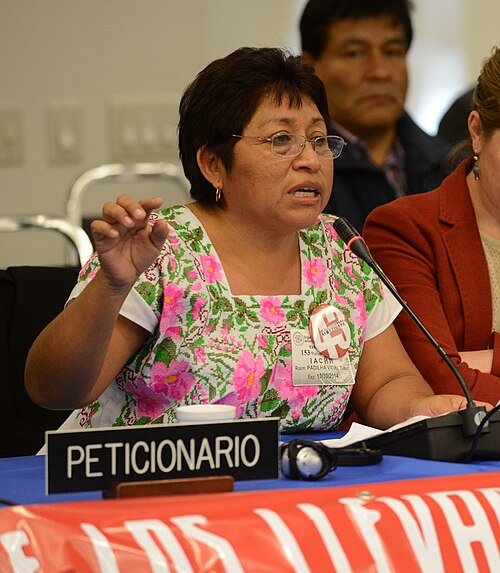
A third-generation waste picker, Nohra Padilla helped organise Bogotá's recyclers and won legal recognition and payment for their work in the city's waste system.
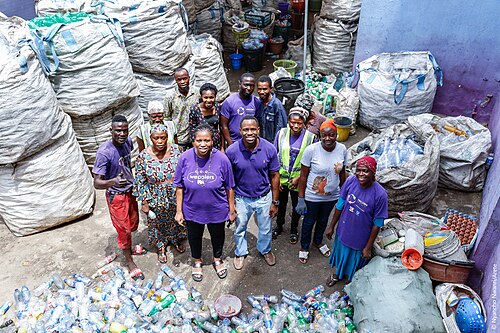
Wecyclers sends riders on cargo tricycles into low-income Lagos neighbourhoods to collect recyclables, rewarding households with points they can swap for food, goods or cash.
Abel Cruz and his movement put up nylon mesh nets on the hills around Lima to catch coastal fog, giving water-poor settlements a small, local supply.
A small Moroccan non-profit worked with Amazigh villages for years to turn Atlantic fog into piped drinking water, sparing women hours of daily walking to wells.
Rural households in Brazil's semi-arid north-east build 16,000-litre tanks beside their homes to store roof rainwater, cutting long walks for water during the dry months.
Mountain farmers in northern Pakistan pipe winter stream water into the freezing air to build ice cones that melt in spring, when their fields need water most.
Architect Mohammed Rezwan founded Shidhulai Swanirvar Sangstha, which runs solar-powered boats serving as schools, libraries and clinics for flood-prone villages in north-west Bangladesh.
In 2019, 27 law students at the University of the South Pacific began a campaign that led to the International Court of Justice's 2025 advisory opinion on climate change.
Mayan beekeeper Leydy Pech built a coalition that challenged genetically modified soy permits in court, defending native bees, honey livelihoods and Indigenous communities' right to be consulted.
In southern Niger, farmers began protecting and pruning tree stumps that resprouted in their fields, regreening millions of hectares of farmland at very low cost.
A youth-led group in Cairo pays Nile fishers from Qursaya Island to collect plastic bottles, adding income as catches fall and keeping plastic out of the river.
Volunteers in Todmorden began planting herbs, fruit and vegetables in public spaces for anyone to pick, sparking a wider Incredible Edible movement.
A farmer from north-west Cameroon works with villages to protect spring catchments, build water tanks, plant trees and teach organic farming.
After Hurricane Iris wrecked a reef near Placencia, a biologist and local fishers began growing coral fragments in nurseries and replanting them, even as marine heatwaves set them back.
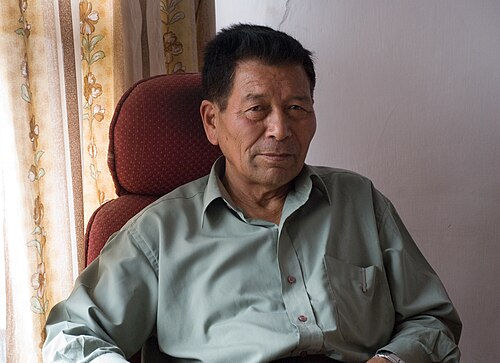
Retired engineer Chewang Norphel builds low-cost 'artificial glaciers' that freeze winter stream water near Ladakhi villages so it melts in time for spring sowing.
A fishing association in Kabasalan, Philippines, replanted mangroves on abandoned fishponds and rebuilt the coastal fishery its families depend on.
A student project in Ghana grew into a women-led workshop making bicycle frames from locally grown bamboo, creating jobs and offering a low-energy alternative to metal frames.
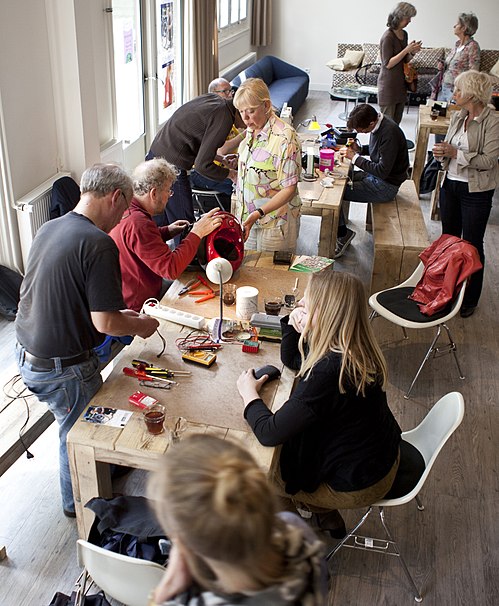
In 2009 Martine Postma held a free repair meet-up in Amsterdam. The idea of volunteers helping neighbours fix broken things has since spread to thousands of Repair Cafés worldwide.
Offered relocation from their degraded, drought-hit valley, villagers in Tigray chose instead to restore it with terraces, check dams, hillside enclosures and hand-dug wells.
Since 1979 Jadav Payeng has planted and tended trees on an eroded Brahmaputra sandbar in Assam, growing a forest now known as Molai.
Villagers in Matura, Trinidad, began patrolling their beach in 1990 to stop leatherback turtles being killed, and built local guiding and tourism around protecting them.
Women in a Bosnian village held a round-the-clock blockade of a bridge for 503 days to stop two small hydropower plants on the river that supplies their water.
In a Gambian village with no rubbish collection, Isatou Ceesay and a handful of women began crocheting discarded plastic bags into purses to sell, creating income and cleaner streets.
In Haitian neighbourhoods without sewers, SOIL rents waterless household toilets for a small monthly fee, collects the waste weekly and turns it into compost for farmers.
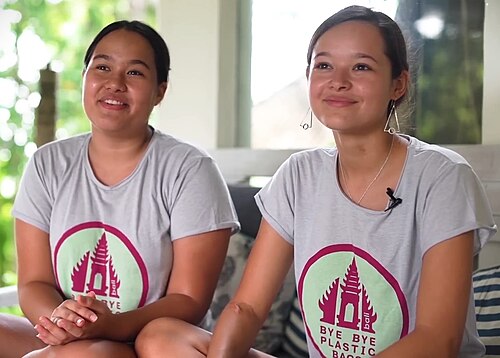
Sisters Melati and Isabel Wijsen started Bye Bye Plastic Bags in Bali in 2013, campaigning with petitions and clean-ups until the province restricted single-use plastic.
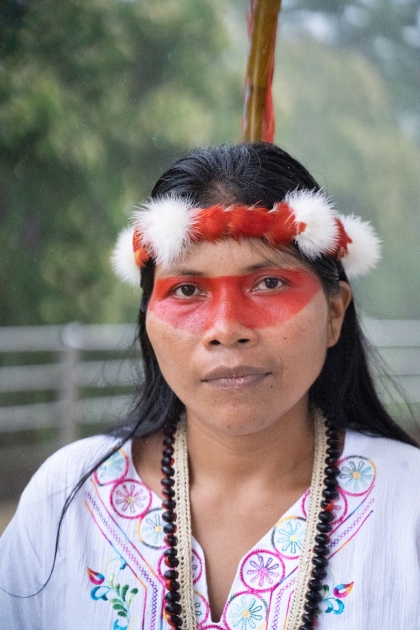
Waorani leader Nemonte Nenquimo helped unite communities, map their territory and win a 2019 court ruling that protected about half a million acres of Amazon forest from an oil auction.
No stories match these filters yet. Know one? Tell us.