A retired teacher and her neighbours sorted their village's rubbish themselves
When no one collected rubbish in her south Lebanon village, a teacher organised local women to sort household waste, building a volunteer recycling centre that has lasted decades.
On this page
The small thing
In the mid-1990s Zeinab Mokalled gathered village women, many of them her former students, to sort household waste and stored the recyclables in her own back garden.
The problem
During years of conflict and occupation in south Lebanon, rubbish collection in Arab Salim stopped and waste was dumped haphazardly. There was no functioning municipality, and Lebanon later faced a national waste crisis in 2015 when Beirut's main landfill closed.
Why Zeinab Mokalled started
Mokalled said she noticed bulky items filling bins while organic waste littered the pavements (L'Orient Today). When she asked the regional governor for help, she was told the village was not Paris and received no support (The New Arab; Christian Science Monitor). She and her neighbours decided to act themselves.
What they did
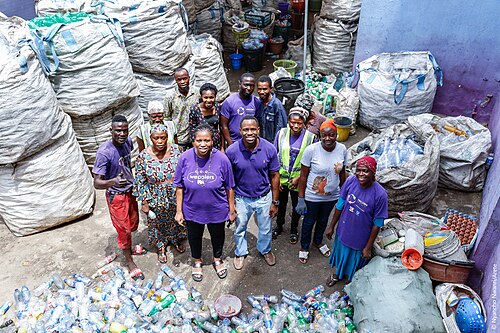
Mokalled recruited women to sort waste at home into organic material, plastics, glass and metal, and the volunteers collected it door to door. A friend, Khadija Farhat, bought a lorry with her own money. The group found buyers for recyclables through a public appeal and formally registered as the NGO Nidaa al-Ard, 'Call of the Earth', in 1998.
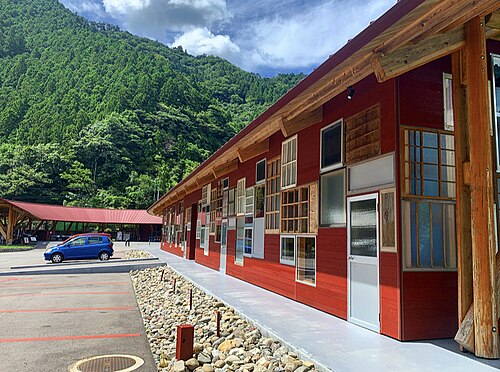
According to The New Arab, 46 volunteer members each paid an annual fee to keep the service going. The group later added electronic waste and looked into composting suited to the hot, dry climate. With an Italian embassy grant it built a warehouse that also has a classroom where schoolchildren learn about recycling.
What changed
Reporters describe the end of haphazard dumping in Arab Salim, a village of roughly 10,000 people according to The New Arab. In 2023 Khadija Farhat estimated about 70% of households took part (L'Orient Today). Neighbouring villages, including Jarjouaa, tried similar schemes. The local authorities eventually provided 300 bins and a plot of land. Recycling volumes have not been independently measured.
What they learned
Mokalled has said she knew nothing about the environment at first and was simply driven by a love of cleanliness and order. She concluded that, without government help, residents had to do things themselves.
“We really don't have any government to help us, so we have to do things by ourselves.”Zeinab Mokalled (Moukalled) and the women of Nidaa al-Ard (Call of the Earth), as quoted by Christian Science Monitor
Copy this idea
Practical guidance written by our editors from the sources below. Adapt it to your place, and check local rules and safety first.
- Problem addressed
- Rubbish piling up or being dumped where collection is unreliable or absent.
- What to do
- Agree a simple sorting system with neighbours, collect separated recyclables on a set day, and find local buyers for them.
- Materials and resources
- Bins or sacks for each material, a dry storage space, transport, and a list of recycling buyers.
- Approximate cost
- Low
- Skills
- Organising volunteers, record-keeping, negotiating with buyers and local officials.
- Time
- A few hours a week to start; grows as more households join.
- People needed
- A core group of committed volunteers plus participating households.
- Difficulty
- Moderate
- Risks and limitations
- Hygiene and fire risk in stored waste, low or unstable prices for recyclables, burnout of volunteers.
- How to adapt it
- Start with one or two materials that have a reliable buyer, and add composting for food waste where space allows.
- Lessons learned
- Persistence matters more than funding at the start; teaching children helps the habit spread.
Why it matters
One village sorting its rubbish will not fix a national waste system. But Arab Salim shows that household separation, organised by neighbours, can keep a community clean and supply recyclers for decades, even without reliable public services.
Policy connection
International commitments this kind of action contributes to. Listing a framework does not mean the person or group was working towards it.
- SDG 11.6 and 12.5: Improve municipal waste management; reduce waste through prevention, recycling and reuse.
- SDG 8.3: Support decent job creation, including formalisation of informal work.
What didn't work
There was no funding at the start, and some women were initially reluctant to sort waste. The governor refused help, and a later governor at first criticised the group for bypassing the state. Mokalled says the centre has come through three wars that destroyed equipment. During Lebanon's economic crisis the group sometimes lacked money for fuel. Recycling plants paid low prices, and a copycat scheme in Jarjouaa was abandoned after the municipal council took it over.
Editor's note
The most recent source found (L'Orient Today, March 2023) said Zeinab Mokalled, then 86, still supervised the centre's activities. No 2024–2026 report was found confirming its current status, and southern Lebanon was affected by conflict in 2024.
Sources: how do we know?
Evidence level: Documented. Supported by reliable published sources such as UN agencies, award bodies and reputable journalism. Not yet independently re-verified by our editors. What the person says and what independent sources establish are attributed separately in the text.
- reputable journalism
This 81-year-old Lebanese woman and her friends solved their village's trash crisis — The New Arab, 9 June 2017Supports: Governor's refusal; garden storage; Khadija Farhat's lorry; 46 paying volunteers; bins and land from authorities; Italian embassy warehouse; e-waste and compost; neighbouring villages. - reputable journalism
Her recycling project faced long odds in Lebanon. Still she persisted — Christian Science Monitor, 22 June 2017Supports: Idea in 1995; sorting categories; NGO Nidaa al-Ard; classroom; early setbacks and governor's criticism; quote on lack of government help. - reputable journalism
Zeinab Moukalled, 86, a tireless pioneer of waste sorting in Lebanon — Suzanne Baaklini, L'Orient Today, 7 March 2023Supports: Former teacher; NGO registered 1998; ~70% household participation; three wars destroying equipment; fuel shortages; low buyer prices; Jarjouaa scheme abandoned; still supervising in 2023.